
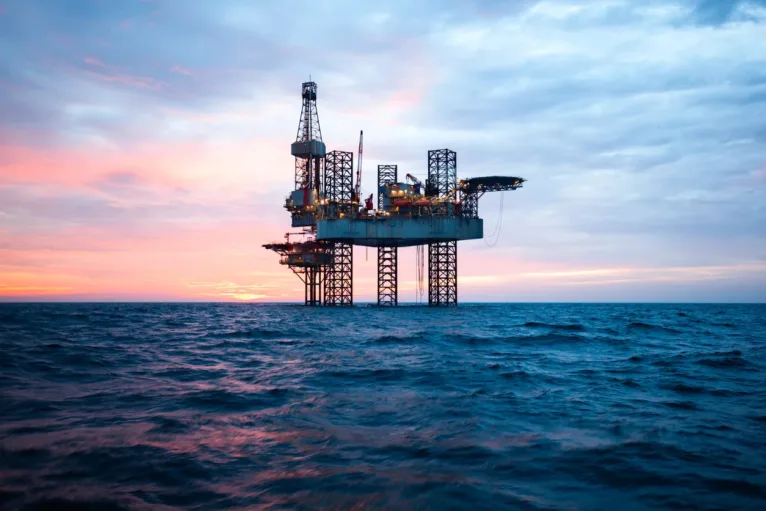
Offshore oil rigs are engineering marvels built to operate in some of the harshest environments on Earth. Even in the best conditions, workers routinely face dangerous conditions, including heavy machinery, explosive materials, powerful storms, and remote locations far from emergency assistance.
Just a single mistake, equipment failure, or natural disaster can trigger catastrophic consequences. Yet, in our experience, most offshore oil rig tragedies are entirely preventable, often resulting from safety failures that occur when companies put profits ahead of the safety and well-being of their employees and contractors.
With Billions won for accident victims, including some of the largest verdicts and settlements for injured offshore workers in history, our undefeated Oil Rig Explosion Lawyers understand all too well the heavy price Texans have paid for the nation’s oil and gas industry. We are the team that stands up to the largest oil companies in the world when workers are killed or seriously injured, recovering record-setting results for the individuals and families we represent.
The following five oil rig disasters stand among the deadliest and most consequential offshore tragedies ever recorded. Their impact reshaped safety regulations, emergency response protocols, and the energy industry’s approach to worker protection.
- Piper Alpha
When workers reported for duty on the Piper Alpha platform on July 6, 1988, few could have imagined they were about to witness the deadliest offshore oil disaster in history.
Located in the North Sea off the coast of Scotland, Piper Alpha was one of the region’s most productive oil platforms. A series of maintenance failures and communication breakdowns ultimately led to gas escaping into the facility. The resulting explosion triggered a chain reaction of fires that engulfed the platform. By the time the disaster ended, 167 workers had lost their lives.
- Alexander L. Kielland
Eight years before Piper Alpha, another North Sea catastrophe exposed critical vulnerabilities in offshore operations.
The Alexander L. Kielland was a semi-submersible accommodation platform used to house offshore workers. During rough weather in March 1980, a structural component failed due to a fatigue crack that had developed over time. The platform quickly lost stability and capsized.
The accident killed 123 of the 212 people aboard. Investigators later traced the failure to a defective weld that had gone undetected. The disaster highlighted the importance of rigorous structural inspections and emergency preparedness for offshore facilities.
- Deepwater Horizon
Few industrial accidents have attracted as much global attention as the Deepwater Horizon explosion.
On April 20, 2010, a blowout occurred while the rig was drilling in the Gulf of Mexico. Moments later, an explosion tore through the platform, killing 11 workers and injuring many others. The human toll was devastating. The environmental consequences proved even more far-reaching.
After the rig sank, oil flowed unchecked into the Gulf for nearly three months. The spill contaminated coastlines across multiple states, harmed wildlife populations, disrupted commercial fisheries, and generated one of the largest environmental cleanup efforts in U.S. history.
- Bohai 2
In November 1979, the Bohai 2 drilling platform encountered severe weather conditions in China’s Bohai Sea.
During the storm, equipment failures compromised the rig’s stability and ultimately caused it to capsize. Of the 76 workers on board, 72 died.
The incident exposed weaknesses in weather preparedness, vessel maintenance, and emergency response procedures. It remains one of the deadliest offshore accidents ever recorded in Asia and serves as a stark reminder of how quickly severe weather can overwhelm offshore operations.
- Seacrest Drillship
The Seacrest drillship was operating in the Gulf of Thailand when Typhoon Gay struck in November 1989.
Despite efforts to weather the storm, the vessel ultimately capsized under the force of the typhoon’s powerful winds and waves. Ninety-one crew members lost their lives.
The disaster underscored the unique risks offshore workers face during extreme weather events and led to increased emphasis on forecasting, evacuation planning, and emergency preparedness throughout the industry.
Contact the Houston Offshore Accident Lawyers at Zehl & Associates for a Free Consultation
For offshore workers, a single accident can change everything. Explosions, blowouts, fires, equipment failures, and other offshore incidents often leave workers facing devastating injuries, lost income, and an uncertain future.
Zehl & Associates has built a national reputation for taking on some of the largest corporations in the oil and gas industry and securing record-setting results for injured workers and their families. Our trial lawyers have recovered billions of dollars in verdicts and settlements, including many of the largest recoveries ever obtained in catastrophic injury and wrongful death cases.
Contact our Houston offshore accident attorneys for a free consultation.
We proudly serve Harris County, Midland County, and throughout the state of Texas. We are located in Houston and Midland and throughout the state of Texas:
Zehl & Associates Injury & Accident Lawyers – Houston
2700 Post Oak Blvd #1000, Houston, TX 77056
(888) 603-3636
Open 24 hours

Zehl & Associates Injury & Accident Lawyers – Midland
306 W Wall St Suite 701, Midland, TX 79701
(432) 220-0000
Open 24 hours