
Texas Forklift Accident Lawyers – We’re Undefeated
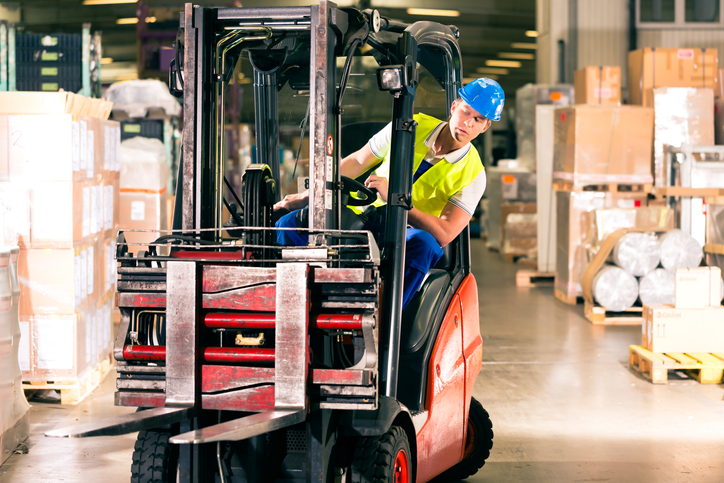
Forklifts are everywhere. From warehouses and refineries to construction sites, ports, and big-box distribution centers, these machines are part of the daily lives of hard-working men and women in Texas and across the country. But when something goes wrong, forklift accidents are rarely minor. They are violent, sudden, and often catastrophic.
In fact, according to the National Safety Council, forklift accidents tragically killed 78 American workers and caused nearly 7,300 non-fatal injuries in 2020 alone. The average victim was unable to work for 17 days, compared to 12 days for all other workplace accidents, suggesting injuries associated with forklifts are often more severe.
In our experience, most forklift accidents are not unavoidable. They almost always result from an employer’s failure to comply with the regulations and procedures put in place to ensure the health and safety of its workforce.
If you or a loved one were seriously injured in a forklift accident, our Undefeated Texas Work Injury Lawyers understand what you’re going through. With billions won for workers and families in Texas and throughout the United States, we’re ready to stand with you during this difficult time, providing the knowledgeable legal counsel and support you need to get your life back on track.
What Makes a Forklift So Dangerous?
Forklifts move heavy loads, often in tight spaces and close to workers, leaving little room for error or corrective action if something goes wrong. Why are these vehicles so dangerous?
- Weight: A forklift can weigh up to 9,000 lbs. Because they’re so heavy, the potential for crush injuries, amputations, internal bleeding or blunt force trauma is extremely high when a forklift strikes someone, pins a worker between a rack and a mast, or rolls over.
- Inferior Stopping Capability: Forklifts operate in spaces where people walk, turn, and work within feet of the travel path. But unlike passenger cars, which have front and rear brakes, a forklift has only one set of brakes up front, making it more difficult to stop quickly in an emergency.
- Uneven Weight Distribution: Forklifts are counterbalanced. Their stability depends on keeping the combined center of gravity of the truck and load inside the stability triangle. Once that line of action shifts outside the triangle—because the load is off-center, the mast is raised, the forklift is turning, or the surface is uneven—the forklift can tip.
- Obstructed Visibility: In many cases, a forklift operator can’t see clearly ahead when carrying a load. That is not an excuse—it is a known hazard that requires planning: controlled pedestrian walkways, mirrors, warning systems, enforced right-of-way rules, and use of a spotter when necessary.
- Vulnerability to Rollovers: Forklifts steer with the rear wheels. That means the back end swings wide when turning. In a warehouse aisle or dock area, that swing-out can knock a worker down, crush legs against racking, or pin someone between the forklift and a fixed object—especially when pedestrians and forklifts share the same footprint.
- Lifting Heavy Loads to Great Heights: When loads are unstable, off-center, poorly wrapped, improperly stacked, or raised while in transit, the risk of a load falling increases.
- Operating in Confined Spaces: When a space isn’t engineered for safety—clear line-of-sight, controlled intersections, designated pedestrian zones, adequate lighting, enforced speed limits—the forklift becomes the final moving piece in a configuration destined to fail.
Forklifts Are Subject to Strict Workplace Safety Rules
Because their risks are well understood and well documented, forklifts are heavily regulated. Specifically, federal workplace safety rules treat forklifts as power-operated industrial trucks, which are subject to specific training, inspection, maintenance, and design requirements.
Forklift Operators Must Meet Age and Training Requirements
The U.S. Occupational Safety & Health Administration (OSHA) requires forklift operators to be at least 18 years old and properly trained. That training is mandatory, even for experienced workers, and must be tailored to both the equipment being used and the specific workplace conditions. To be considered OSHA-compliant, an employer’s forklift training protocol must include three distinct components:
- Formal instruction, which may include classroom lectures, discussions, written materials, online courses, or video presentations
- Practical training, including demonstrations by a qualified trainer and hands-on operation by the trainee
- Evaluation, where the employer assesses the operator’s ability to safely operate the forklift in the actual work environment
Forklift training is not complete until all three components are satisfied. Certification cards alone do not meet OSHA’s requirements if the worker has not been trained and evaluated for the specific forklift and worksite conditions.
Training Must Be Updated When Conditions Change
OSHA also requires refresher training and re-evaluation when circumstances change, including situations where:
- An operator is observed operating a forklift unsafely
- An operator is involved in an accident or near-miss
- A different type of forklift is introduced
- Workplace conditions change in a way that affects safe operation
Employers Are Responsible for Forklift Inspection and Maintenance
Forklifts must be inspected before each shift, and any condition that affects safe operation requires the forklift to be taken out of service until repaired. OSHA provides an approved daily forklift inspection checklist, which typically includes brakes, steering, controls, forks, tires, warning devices, and hydraulic systems.
Unauthorized Modifications and Unsafe Use Are Prohibited
OSHA prohibits additions or modifications to forklifts that affect safe operation or load capacity unless the manufacturer provides prior written approval. This includes changes to forks, attachments, counterweights, or lifting capacity.
OSHA has also established specific regulations related to fire protection, maintenance, and design. For example, all forklifts must bear a label or identifying mark indicating approval by a recognized testing laboratory. Operating unapproved or improperly modified equipment significantly increases the risk of tip-overs and falling loads.
Forklifts Cannot Be Used in Certain Hazardous Atmospheres
OSHA restricts the use of power-operated industrial trucks in environments containing hazardous concentrations of specific hazardous substances, including:
- Hydrogen
- Butadiene
- Acetylene
- Ethylene oxide
- Acetaldehyde
- Propylene
- Cyclopropane
- Isoprene
- Unsymmetrical dimethylhydrazine
- Diethyl ether
- Metal dust
These restrictions exist because the risks of ignition, explosion, and toxic exposure increase dramatically when forklifts are used in unsafe atmospheres. Violations often occur in industrial plants, refineries, and chemical facilities where production pressures override safety protocols.
What Causes Forklift Accidents?
Forklift accidents, particularly those that result in severe and fatal injuries, most often stem from specific, identifiable failures in training, equipment, supervision, and worksite design.
Driver Inexperience and Inadequate Training
Forklift operators must understand load limits, stability, visibility restrictions, turning mechanics, braking distance, and how these factors change in real-world operating conditions. In too many cases, operators are trained on one type of forklift and then assigned to another, while others receive only classroom instruction without meaningful hands-on evaluation—both in violation of OSHA regulations.
Inadequate Forklift Maintenance
Common maintenance-related failures include brake problems, steering defects, hydraulic leaks that affect mast control, worn tires that reduce stability, and malfunctioning horns or backup alarms. In many cases, these issues are known to supervisors or documented in maintenance logs before an accident occurs, yet are not corrected until after someone is injured.
Lack of Required Inspections
When inspections are skipped, rushed, or not taken seriously, unsafe forklifts will remain in service. In serious injury cases, inspection records often reveal missing checklists, incomplete entries, or identical entries repeated day after day, indicating inspections were rushed or skipped.
Failing or Defective Forklift Components
Defective brakes, steering systems, hydraulic components, masts, or attachments can fail suddenly and without warning. These cases often raise questions about product defects, improper repairs, or negligent maintenance, and liability may extend beyond the employer to manufacturers, distributors, or service providers.
Improperly Loaded, Raised, or Unstable Cargo
Overloaded forklifts, uneven or unsecured pallets, improperly stacked materials, and traveling with raised loads all increase the risk of tip-overs and falling-load incidents. Loads that shift unexpectedly can alter a forklift’s center of gravity in seconds. When that happens, operators may lose control with little warning, placing nearby workers directly in harm’s way.
Pressuring Workers to Meet Tight Deadlines
When safety procedures are treated as obstacles to productivity, forklift accidents almost become inevitable. In our experience, workers are most often injured during peak production periods, when long hours and irregular shifts are more likely. Fatigued and overworked forklift operators are more likely to make a potentially catastrophic mistake.
Dangerous Layouts and Surface Conditions
Narrow aisles, blind corners, uneven floors, poor lighting, inadequate signage, and cluttered staging areas all increase the likelihood of collisions and rollovers. These conditions are not accidental; they are the result of willful management decisions.
Other Workplace Hazards
Excessive noise, poor visibility from dust or fumes, toxic gases, and inadequate lighting can prevent operators from seeing hazards or hearing warnings. In industrial and refinery settings, high traffic volume and complex workflow often increase the risks associated with these hazards.
High Volume of Traffic or Pedestrians in the Work Area
Pedestrians who have been struck or pinned by forklifts usually had little opportunity to avoid injury, especially in congested areas. When employers fail to control traffic flow, enforce right-of-way rules, or separate pedestrian pathways, the risk of struck-by and caught-between injuries rises significantly.
Lack of Required Warning Signs and Controls
Warning signs, floor markings, mirrors, horns, lights, and alarms are critical safety tools in forklift environments. When these controls are missing, poorly maintained, or ignored, hazards go unaddressed. Accidents frequently occur at intersections, dock approaches, and blind spots where warning systems were either inadequate or nonexistent.
Distracted or Inattentive Forklift Operators
Forklift operators may be distracted by radios, mobile devices, conversations, or surrounding activity in busy work environments. Even brief lapses in attention can have severe consequences when operating heavy equipment, particularly in tight spaces or near other workers.
Failure to Perform Pre-Shift Checklists
Pre-shift checklists exist to catch safety issues before forklifts are put into service. When operators are rushed, discouraged from reporting problems, or expected to complete inspections quickly, problems may go unaddressed until someone is hurt.
Unsafe Driving Behaviors
Unsafe driving practices—speeding, traveling with raised loads, improper backup techniques, poor communication, horseplay, and allowing unauthorized riders on forklifts—significantly increase the risk of an accident. In our experience, such behaviors often reflect a workplace culture that doesn’t prioritize safety.
What are the Most Common Forklift Injuries?
overturns or a worker is struck, pinned, or crushed by the forklift itself or by an unsecured load. Workers are also injured when they fall from a forklift or when a forklift drives off a loading dock, ramp, or raised surface.
Some of the most common injuries associated with forklift accidents include:
Traumatic Brain Injury (TBI)
Traumatic brain injuries often occur when workers are struck by a falling load, hit by a forklift, or thrown to the ground during a rollover or collision. Even when they’re wearing a helmet, a forklift accident can result in serious brain trauma, ranging from concussions to permanent cognitive impairment.
Spinal Cord Injury
Spinal cord injuries are frequently associated with rollovers, falls from forklifts, or workers being crushed beneath or pinned by equipment. These injuries can result in partial or complete paralysis and often require lifelong medical care and assistance.
Multiple Crush Fractures
Crush fractures are typical in tip-overs and caught-between incidents, where workers are pinned between a forklift and a fixed object such as a wall, rack, trailer, or another vehicle. These injuries may involve multiple bones and often require multiple surgeries to repair. Even then, an injured worker might continue to experience pain and disability for the rest of their life.
Organ Damage
The kidneys, liver, spleen and other internal organs can be damaged when a worker is crushed by a forklift, trapped between heavy equipment, or struck by a falling load. Such injuries are particularly dangerous because they may not be immediately apparent but can quickly become life-threatening.
Internal Bleeding
Internal bleeding often results from blunt-force trauma in rollovers, collisions, or crushing incidents. Because symptoms may be delayed, internal bleeding is a frequent complication in severe forklift accidents that requires emergency intervention.
Amputation
Amputations can occur if an arm or leg is crushed between the forklift and another object, run over by the forklift, or caught in mechanical components during an accident. In some cases, traumatic amputations occur at the scene; in others, surgical amputation becomes necessary due to the extent of the damage.
Muscle Strains and Sprains
Muscle strains and sprains commonly occur during sudden impacts, abrupt stops, or when workers attempt to jump clear of a moving or tipping forklift. While these injuries may appear less severe at first, they can still lead to long-term pain and limited mobility.
Ligament and Tendon Damage
Ligament and tendon injuries often occur when joints are twisted or forced beyond their normal range during collisions, falls, or evasive movements. These injuries can be difficult to diagnose and may require surgery or prolonged rehabilitation.
Can I Sue My Employer After a Forklift Injury?
After a forklift accident, you might assume workers’ compensation will take care of everything. But the reality is quite different. In Texas, as in every other state, benefits only pay a portion of your average weekly wages, and they don’t pay anything for pain and suffering, diminished earning capacity, or other damages that would otherwise be available through a personal injury lawsuit.
Workers’ comp might not even be an option, as Texas is also the only state that doesn’t require private employers to carry workers’ compensation insurance. However, non-subscribers also forfeit the legal protections afforded by workers’ comp, so workers and their families do have the right to sue after a workplace injury or death. Companies that lack coverage also lose the right to assert certain defenses, like claiming the worker was partly at fault or assumed the risk of injury.
Even when an employer carries workers’ comp, Texas law allows families to pursue wrongful death and survival claims for gross negligence when an injury proves fatal. Gross negligence involves conduct that goes beyond ordinary carelessness — such as knowingly allowing dangerous conditions to continue despite clear risks to worker safety.
And if an employer intentionally causes harm, workers’ comp won’t shield them from either personal injury or wrongful death lawsuits. Intentional conduct is rare, but it does occasionally arise in extreme situations involving deliberate exposure to known hazards or retaliation that places a worker in harm’s way.
Who Else Is Liable for a Forklift Accident?
Injured workers and their families can also sue third parties when negligent conduct on their part caused or contributed to an injury or death. Those potentially liable for a forklift accident include:
- Forklift Manufacturers: Design defects, stability issues, braking failures, warning system failures, or inadequate safety features can make manufacturers responsible when equipment fails under normal use.
- Component and Parts Manufacturers: Defective forks, masts, hydraulic systems, tires, or attachments can cause sudden loss of control, falling loads, or tip-overs.
- Maintenance and Repair Contractors: Third-party companies responsible for servicing forklifts may be liable if they fail to properly inspect, repair, or remove unsafe equipment from service.
- Staffing and Labor Agencies: When temporary workers are involved, staffing agencies may share responsibility for failures in training, placement, or supervision.
- Property Owners and Site Operators: In warehouses, ports, plants, and industrial facilities, property owners and site operators may be responsible for unsafe layouts, traffic control failures, poor lighting, or hazardous floor conditions.
- Other Contractors or Subcontractors: At multi-employer worksites, another company’s unsafe practices, traffic-control failures, or equipment use may contribute to a forklift accident.
What to do After a Forklift Accident
The victims of forklift accidents often experience immense pain and suffering. As a result, many are unable to work for weeks or months at a time, even as their medical bills and monthly living expenses continue to pile up.
How do you begin to move forward and care for yourself and your family when you’re too hurt to even consider going back to work? First of all, you need to realize that time is not on your side. Your actions in the days and weeks immediately following a severe or fatal forklift accident could well determine whether or not you and your family are fully compensated for all of your injuries and losses:
- Notify Your Employer Immediately: Timely notification will ensure you receive your mandated workers’ compensation benefits, provide documentation of the work-related nature of your injuries, and show that you took them seriously. Notification is essential, even if you don’t think you were seriously hurt, as the true extent of your injuries may not be apparent immediately after an accident when your adrenaline is running high.
- Demand Immediate Medical Care of Your Choice: Get checked out at the nearest ER or urgent care as soon as possible, and remember that you’re under no obligation to see a medical provider of the company’s choice. If you delay seeking treatment, you’ll give your employer and its insurer an excuse to cast doubt on your injuries and dispute your damages.
- Record Your Account and Preserve Evidence: As soon as you are able, write down everything you remember about the accident, including seemingly insignificant details. Preserve any physical evidence in your possession, including the clothes you were wearing (do not launder them). If possible, return to the scene and take pictures and video – even if it’s already been cleaned up.
- Don’t Trust Your Company or Its Insurer to Take Care of You: No matter what they promise or how concerned they might seem, neither your employer nor its insurer has any genuine interest in making sure you’re fully compensated. Their only goal is to SAVE MONEY by paying you as little as possible, even if that means trivializing your injuries, blaming you for the accident, threatening to withhold your regular pay, and losing or discarding evidence proving your employer was at fault.
- Don’t Provide a Formal Statement: Under no circumstances should you agree to provide a formal statement, sign anything, or accept any money other than your regular paycheck before speaking with an experienced accident lawyer who’s successfully represented injured workers and their families against the largest corporations in the world.
- Don’t Discuss the Accident or Your Injuries: Until your case is resolved, don’t mention anything about the accident or your injuries on social media or in conversation with coworkers, friends, and extended family. Any such discussions should be strictly limited to your attorney and your spouse.
- Follow Your Doctors’ Orders and Don’t Miss Appointments: Your employer and its insurance company will use any failure to follow doctors’ orders or attend medical and therapy appointments as a reason to dispute your injuries.
- Assume You’re Being Watched: Insurance companies routinely hire private investigators to surveil injured employees after a workplace injury. Even something as seemingly innocent as lifting a bag of groceries could give the company a reason to call your injuries into question.
Contact our Undefeated Texas Forklift Injury Lawyers
Whatever you do, don’t attempt to negotiate with your employer or its insurance company on your own. The longer so-called negotiations drag on, the more likely you are to make a mistake that could reduce the value of your case by hundreds of thousands, if not millions, of dollars.
Our Undefeated Texas work injury lawyers know how to counter the tactics your employer and its insurer will use to avoid accountability. With our long history of success against the largest corporations in the world, our Work Accident Lawyers have the resources, knowledge, and experience to identify all of the parties responsible for your forklift accident, locate, preserve, and obtain the evidence that proves who is at fault, and win the maximum compensation for all of your injuries and losses.
We never accept a settlement unless it provides for the maximum compensation possible. We begin preparing every case for trial on day one, so that if our opponents refuse to negotiate in good faith, we’ll be ready for court, where every one of our lawyers remains undefeated.
In our experience, most companies have no appetite for a courtroom fight. Trials are risky and can bring the kind of attention most work hard to avoid. Opposing attorneys are aware of our undefeated record in the courtroom and know they risk a record-breaking jury verdict if one of our cases goes to trial. Because of the leverage we can bring to every case, we’re often able to reach highly favorable settlements on our clients’ behalf in as little as 18 months, without ever setting foot in a courtroom.
Undefeated Houston Forklift Accident Lawyers: Call 1-888-603-3636 or Click Here for a Free Consultation
Our Houston Workplace Injury Lawyers have won Billions – including the largest verdicts and settlements in history –for thousands of workers and families in Texas, Louisiana, New Mexico, and across the United States.
If you were seriously injured or tragically lost a loved one to a forklift accident, call 1-888-603-3636, use the “chat” button on our homepage, or click here to send us a confidential email through our “Contact Us” form.
Our Undefeated Accident Attorneys will answer all of your questions, explain your rights, and provide all the information you need to decide what’s best for you and your family.
To learn more about our success representing injured workers and their families, visit our “Results” page or Click Here to see what our clients have said about their experience with our firm.
All consultations are free, and you won’t owe us a dime unless we win your case.