
Undefeated Texas Plant and Refinery Injury Lawyers
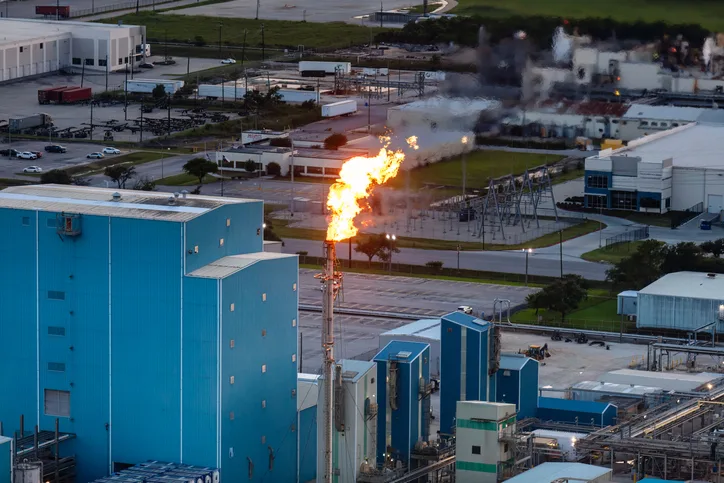
Texas is home to the largest concentration of refineries and petrochemical plants in the United States. And year after year, these facilities are the site of some of the most catastrophic fires, explosions and industrial disasters in the nation, leaving workers injured, disabled, and disfigured or depriving families of cherished loved ones.
While industrial facilities are inherently dangerous places to work, the majority of Texas plant and refinery accidents are entirely preventable. In our experience, they can usually be traced to the same failures again and again: aging infrastructure, deferred maintenance, ignored warnings, and a company culture that prioritizes production over safety.
Having won billions—including record-breaking verdicts in settlements— for thousands of workers and families across Texas and throughout the United States, our Undefeated Plant Explosion Lawyers have seen firsthand the devastation these disasters leave behind. We are fully committed to holding negligent corporations accountable and securing the maximum compensation possible, so that injured workers and their families have the financial resources they need to rebuild their lives.
Plant and Refinery Explosions
Fires and explosions are among the most catastrophic plant and refinery accidents that occur in Texas. They are usually triggered when flammable gas, vapor, or liquid comes into contact with an ignition source due to:
- Corroded, thinned, or degraded piping.
- Defective gaskets, blinds, seals, or flanges
- Cracked or improperly welded connections that rupture under pressure
- Blocked lines, stuck valves, or control system failures that result in overpressurization
- Sparks generated by welding or hot work
- Sparks produced d by electrical equipment.
- Sparks generated by a forklift or other vehicle.
- Startups, shutdowns, and turnarounds are times when systems are in transition, and safeguards are more likely to be overlooked or ignored.
According to the Bureau of Labor Statistics, at least 11 Texas workers suffered fatal injuries because of a fire or explosion in 2023. Even when they survive, workers in the vicinity rarely escape unscathed and frequently sustain catastrophic, life-altering injuries:
- Severe thermal burns and flash burns covering large portions of the body
- Inhalation injuries from superheated air, smoke, and toxic combustion byproducts
- Traumatic brain injuries caused by blast overpressure
- Ruptured eardrums and internal organ damage from explosive forces
- Spinal injuries and paralysis resulting from falls or blast impact
- Crush injuries and fatalities caused by collapsing structures or flying debris
Equipment Failure and Malfunction
Plant and refinery equipment frequently operates under extreme conditions, typically around the clock. Pumps, compressors, piping, and control systems are expected to perform reliably amid constant exposure to heat, pressure, and hazardous materials.
Most equipment failures are preventable and can usually be traced to maintenance issues that went unaddressed for months and even years:
- Corroded or thinning piping that ruptures or leaks under normal operating pressure
- Worn or failed pump seals, bearings, or couplings that release flammable or toxic material
- Valves that stick, fail to close, or open unexpectedly
- Undersized, blocked, or poorly maintained pressure-release equipment.
- Malfunctioning Instrumentation or control systems that mask dangerous conditions
- Alarms or safety interlocks that are disabled, bypassed, or ignored
When equipment fails in any industrial setting, workers usually pay the highest price:
- Severe burns caused by fires or hot material releases
- Crushing injuries when equipment, piping, or structural components give way
- Traumatic amputations involving hands, fingers, or limbs caught in moving machinery
- Head and brain injuries from sudden impacts or falling components
- Internal injuries caused by pressure releases or structural collapse
Equipment Accidents
Plant and refinery workers are frequently struck, pinned, or caught between objects and equipment, often without any real opportunity to avoid injury. Like most other Texas plant and refinery accidents, these incidents are usually preventable and typically occur when:
- Pipe, tools, or equipment falling during lifts or placement
- Forklifts, trucks, or other vehicles strike workers in active areas
- Workers are pinned between equipment and fixed structures such as pipe racks or vessels
- Hands, arms, or clothing gets caught in rotating machinery or conveyors
- Equipment started without warning during maintenance because proper lockout/tagout procedures were not followed
Injuries from these types of accidents can be severe, even to the point of permanent disability:
- Traumatic amputations involving fingers, hands, arms, or legs
- Crush injuries that damage bones, joints, and internal organs
- Spinal injuries and paralysis caused by high-force impacts
- Traumatic brain injuries caused by blunt-force trauma
Contact incidents—which include struck-by and caught-in/between accidents—remain one of the leading causes of workplace fatalities in Texas. In fact, they claimed the lives of more than 80 Texas workers in 2023 alone.
Exposure to Toxic and Hazardous Chemicals
Plants and refineries house a wide range of toxic and hazardous substances—benzene, hydrogen sulfide (H₂S), ammonia, acids, caustics, and solvents—that, if not properly contained, can burn skin, damage lungs, or shut down the nervous system in seconds. Depending on the specific materials involved, workers may not even realize they’re in danger until it’s too late.
Exposure-related plant and refinery accidents are typically caused by:
- Corroded, damaged, or improperly maintained piping and equipment
- Failed valves, seals, or flanges that were not repaired or replaced in time
- Inadequate isolation or purging of lines before maintenance or line breaks
- Poor hazard identification during startups, shutdowns, or emergency operations
- Inadequate ventilation in areas where hazardous gases or vapors can accumulate
- Failure to provide, enforce, or properly fit required respiratory protection
- Incomplete training on chemical hazards and emergency response procedures
When a worker comes into contact with a toxic or hazardous substance, the consequences may be severe and are often irreversible:
- Chemical burns to the skin, eyes, and respiratory tract
- Acute poisoning leading to loss of consciousness or respiratory failure
- Lung damage and long-term breathing problems
- Neurological injuries affecting memory, balance, or motor function
- Organ damage caused by prolonged or high-level exposure
- Fatal injuries, when exposure levels overwhelm the body
In 2023, nearly 60 workplace fatalities reported in Texas were attributed to toxic or hazardous exposures.
Slips and Falls
Many plant and refinery workers perform their jobs on scaffolding, elevated platforms, ladders, stairways, tank roofs, and pipe racks. In these settings, it’s not uncommon to encounter oil, water, chemicals, and uneven surfaces, any of which can cause a serious fall.
When a worker is hurt in a slip or fall accident, it’s usually due to hazardous conditions, such as:
- Missing, damaged, or inadequate guardrails on elevated work areas
- Improperly erected or unsecured scaffolding and platforms
- Failure to provide or enforce the use of fall protection systems
- Poor housekeeping that allows oil, grease, water, or chemicals to accumulate
- Inadequate lighting in walkways, stairwells, or work areas
- Cutting corners during turnarounds or maintenance due to production pressures.
- Use of ladders or other access equipment that is damaged, improperly placed, or not designed for the task
Some of the most serious injuries caused by a slip or fall in an industrial setting include:
- Traumatic brain injuries from head impact
- Spinal cord injuries and paralysis
- Fractures to the pelvis, legs, arms, or ribs
- Internal bleeding and organ damage
- Fatal injuries from high-level falls or secondary impact
According to the BLS, falls, slips, and trips tragically killed more than 90 Texas workers in 2023
Confined Space Incidents
Plant and refinery workers may have to enter tanks, vessels, pits, vaults, and trenches to inspect, clean, repair, or maintain equipment. In our experience, accidents that occur in these areas are often the result of:
- Failure to properly test the atmosphere before entry
- Inadequate ventilation allows toxic gases or vapors to accumulate during work
- Oxygen-deficient environments that cause rapid loss of consciousness
- Failure to isolate or lock out equipment before entry
- Failure to post trained monitors outside the space while work is being done
As is the case with many other Texas plant and refinery accidents, injuries that occur in confined spaces are often severe and potentially fatal:
- Asphyxiation due to oxygen deprivation
- Toxic gas inhalation leading to respiratory failure
- Loss of consciousness followed by fatal falls or entrapment
- Crush injuries from equipment or materials entering the space
- Multiple fatalities, when coworkers attempt a rescue without proper equipment
Truck and Other Motor Vehicle Accidents
Forklifts, pickup trucks, haul trucks, cranes, and contractor vehicles are a constant presence in plants and refineries, often in tight spaces with limited visibility. When an accident occurs, its usually because of:
- Lack of clear traffic control plans
- Inadequate separation between vehicle routes and pedestrian work areas
- Limited visibility at intersections, blind corners, or congested units
- Inadequate lighting during night shifts or turnaround work
- Vehicle operators who are fatigued, distracted, or insufficiently trained
- Contractors unfamiliar with site-specific traffic patterns and hazards
- Failure to enforce speed limits or safe driving policies within the facility
Like highway crashes, accidents involving a vehicle inside an industrial worksite frequently cause debilitating and life-threatening injuries;
- Blunt-force trauma to the head, chest, and abdomen
- Traumatic brain injuries
- Spinal injuries and paralysis
- Crush injuries involving the legs, pelvis, or torso
- Fatal injuries when workers are struck or pinned by moving vehicles
In 2023, motor vehicle accidents were linked to 246 workplace deaths in Texas.
Plant and Refinery Operators Have a Duty to Keep Workers Safe
Plant and refinery operators are legally obligated to identify hazards, correct unsafe conditions, and protect workers from the risk of serious injury or death. Regulations established by the U.S. Occupational Safety & Health Administration require that they take proactive steps to safeguard the health and well-being of their employees by:
- Maintaining equipment in safe working condition
- Controlling hazardous energy and enforcing lockout/tagout procedures
- Addressing fall hazards on platforms, scaffolding, and elevated work areas
- Limiting worker exposure to toxic or hazardous substances
- Evaluating and controlling confined spaces before entry
- Providing appropriate safety equipment and ensuring it is actually used
OSHA has also established specific regulations for plants, refineries, and other facilities that store, house, or manufacture hazardous and highly volatile chemicals. These duties include evaluating process hazards, maintaining the mechanical integrity of critical equipment, establishing clear operating procedures, and expediently addressing safety issues that arise during inspections, audits, or prior incidents.
What to Do If You’ve Been Hurt in a Plant or Refinery Accident
The large corporations—ExxonMobil, Chevron, Valero, Shell, BP, Marathon and others—that own plants and refineries in Houston and across Texas have teams of lawyers on standby tasked with one goal: limit the company’s liability when an accident or explosion leaves workers severely and fatally injured. Before you even understand the true extent of your losses, they’ll be working to downplay your injuries, deflect blame from the company, and limit your financial recovery to what little workers’ compensation benefits you might be entitled to.
If you’re going to recover the maximum compensation for ALL of your injuries and losses, you need to take immediate steps to safeguard both your health and your legal rights:
Seek Immediate Medical Care
Seek treatment right away, even if you feel fine or think you can tough it out. Some injuries aren’t immediately apparent, and those that seem minor can worsen over time. Getting checked out protects your health and ensures a record is created linking any injuries you may have sustained to the accident.
Report the Accident, But Be Cautious
Make sure the accident is reported and an incident report is created. But stick to the facts and don’t speculate about the cause or who is at fault. Even saying “I’m sorry” could be used against you. And don’t assume the company’s report will tell the full story. Internal investigations are typically conducted with the company’s best interests in mind, not yours.
Preserve Evidence Before It Disappears
If you are able, photograph the scene, any equipment involved, and the conditions that existed at the time of the accident. Preserve PPE, tools, clothing, and safety gear. Don’t launder or alter these items in any way; put them in a clean plastic bag and give them to your attorney.
Comply with All Medical Advice
Gaps in treatment or failure to follow medical advice are routinely used to argue that injuries are exaggerated or unrelated. Attend all appointments, follow restrictions, and make sure every symptom is documented. If you must miss an appointment, make sure the reason is also documented in your medical chart.
Be Careful Who You Talk To
Don’t discuss the accident or injuries with anyone other than your doctors and your lawyers. Casual conversations, texts, or “just explaining what happened” can be taken out of context and used to shift blame.
Be Cautious on Social Media
Assume anything you post will be monitored, saved, and misrepresented. Photos, check-ins, comments, or even posts unrelated to the accident can be twisted to argue that you are not injured or that your limitations are exaggerated. The safest move is to stop posting altogether while your case is pending.
Assume You’re Being Watched
The company or its insurer may hire investigators to photograph or record you in public, outside medical offices, or near your home. Follow your doctor’s restrictions at all times and do not attempt activities you have been advised to avoid—even briefly.
Don’t Count on Workers’ Comp
Workers’ compensation only replaces a fraction of your weekly wages, and in most cases, benefits don’t last forever. What’s more, your employer might not even offer them, as Texas is the only state in the nation that doesn’t require private employers to provide workers’ comp
Don’t Assume You Can’t File a Lawsuit
While workers’ comp generally protects employers from personal injury and wrongful death lawsuits, there are limited circumstances under which they can be sued. And when an employer chooses not to subscribe to workers’ comp, they lose that protection entirely. Even if you are collecting workers’ comp, you can still sue any third-party contractors, maintenance companies, equipment manufacturers, or other entities whose negligence contributed to your injuries. An attorney experienced in representing injured plant and refinery workers can help you explore your options.
Contact an Experienced Plant and Refinery Accident Lawyer
It’s in your best interest to contact an experienced lawyer—one with a record of success against the biggest plant and refinery operators in the world—sooner, rather than later. Texas imposes strict time limits on personal injury and wrongful death claims, and waiting too long can permanently prevent you from ever recovering compensation, no matter how strong a case or severe your injuries. Waiting also increases the likelihood that you’ll make a mistake that might hurt your case and gives the company time to lose or destroy evidence proving it was at fault, as well as an opportunity to control the narrative to its benefit.
Undefeated Plant and Refinery Accident Lawyers: Call 1-888-603-3636 For a Free Consult
Our Undefeated Houston Plant Accident Lawyers have successfully represented thousands of workers throughout Texas, Louisiana, New Mexico, and the United States, and we’ve recovered billions in record-breaking verdicts and settlements on their behalf:
- #1 Largest Burn Injury Settlement in History
- $100 Million settlement for workers injured in a refinery explosion
- $75 Million Settlement for workers injured in refinery explosion
- $85 Million Settlement for injured refinery contractors
If you or someone you love were hurt or tragically killed in a Texas plant or refinery accident, we’re ready to fight for the maximum compensation possible for all your injuries and losses. Call 1-888-603-3636, use the “chat” button on our homepage, or click here to send us a confidential email through our “Contact Us” form.
All consultations are free, and you won’t owe us a penny unless we win your case.