
Car Inspection Laws in Texas
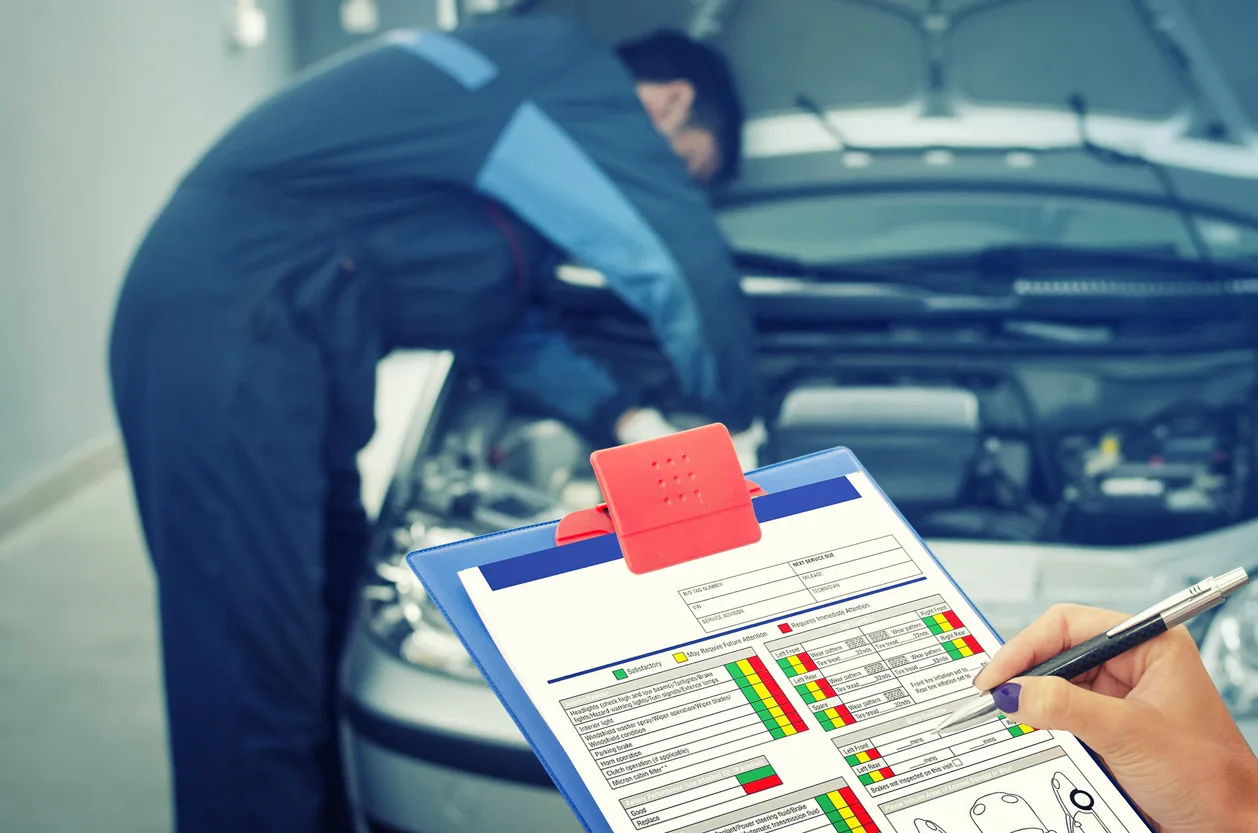
Recent changes to Texas law have altered the state’s vehicle inspection requirements. However, drivers must still make sure their vehicles are safe and in good working condition before using them on the road.
If you were injured in a crash caused by a poorly maintained vehicle in Houston, Texas, you may have a car accident claim. An experienced Houston car accident lawyer at Zehl & Associates can help you seek full compensation for your injuries and damages. Contact us today at (713) 491-6064 for a free consultation.
Table of Contents
- Why Choose Zehl & Associates To Handle Your Car Accident Case in Houston?
- Overview of Car Inspection Rules in Texas
- Historical Vehicle Inspection Requirements in Texas
- What Do Texas Emissions Tests Evaluate?
- The Risks of Driving a Car With Mechanical Issues
- Contact an Undefeated Houston Car Accident Lawyer for Help After a Crash
Why Choose Zehl & Associates To Handle Your Car Accident Case in Houston?

At Zehl & Associates, our attorneys have built a reputation as one of the leading car and truck accident firms in Houston, TX. We have extensive experience handling the most complex types of car accident cases, including those caused by negligent vehicle maintenance, defective repairs, and other preventable safety failures. And we don’t just win. We set records.
Here’s why clients trust our Houston personal injury lawyers:
- Billions recovered for injured clients, including some of the largest motor vehicle accident verdicts and settlements in Texas history.
- Undefeated at trial against major corporations, insurance companies, and other powerful defendants.
- Every case prepared for trial. Companies know that if they refuse to offer full compensation, they’ll have to face our attorneys before a jury, where we’ve never lost.
- Unwavering commitment to clients, including access to the best medical specialists available and 24/7 guidance and support every step of the way.
- No upfront fees. We work on a contingency fee basis, so you pay nothing unless we win.
When the stakes are high, experience and results matter. Call us today to schedule a free consultation with a Houston personal injury attorney who can fight for you.
Overview of Car Inspection Rules in Texas
Beginning in 2025, Texas eliminated annual vehicle safety inspections for most non-commercial vehicles. As a result, many drivers are no longer required to obtain a safety inspection before renewing their registration.
However, certain counties — including Harris County — continue to require emissions testing as part of the registration process. Emissions inspections generally apply to vehicles registered in larger metropolitan areas with air quality concerns.
Depending on the county, vehicle owners may still be required to complete emissions testing before renewing registration. Importantly, the elimination of safety inspections does not eliminate liability for defective or poorly maintained vehicles. Drivers are responsible for ensuring that critical vehicle systems function properly.
Changes to the inspection law do not mean vehicle owners can ignore maintenance or operate unsafe vehicles. Texas law still requires drivers to maintain vehicles in reasonably safe operating condition.
Historical Vehicle Inspection Requirements in Texas
For decades, Texas required most non-commercial vehicles to undergo annual safety inspections as a condition of registration. During these inspections, licensed inspection stations evaluated a variety of vehicle components, including:
- Brakes
- Tires and tread depth
- Headlights and taillights
- Turn signals
- Mirrors
- Windshield wipers
- Horns
- Seat belts
- Steering components
- Certain suspension systems
The purpose of these inspections was to identify obvious mechanical defects that could contribute to traffic accidents or endanger motorists.
What Do Texas Emissions Tests Evaluate?
Emissions tests are designed to measure whether a vehicle complies with air quality standards by limiting harmful pollutants released into the atmosphere.
Depending on the vehicle and county where it is registered, an emissions inspection may evaluate:
- The vehicle’s onboard diagnostic (OBD-II) system
- Emissions control equipment
- Catalytic converter performance
- Oxygen sensors
- Fuel system components
- Evaporative emissions systems
- Check engine or malfunction indicator lights
- Overall emissions-related system functionality
Emissions tests are not intended to identify many mechanical issues that may contribute to accidents. As a result, a vehicle can pass an emissions inspection while still having safety-related defects that pose a risk to motorists.
The Risks of Driving a Car With Mechanical Issues
Vehicle defects and maintenance failures contribute to thousands of accidents every year. Common mechanical problems that may lead to collisions include:
- Brake failures
- Tire blowouts
- Steering failures
- Worn suspension components
- Defective lights
- Engine failures
- Broken windshield wipers during severe weather
In some situations, operating an unsafe vehicle may also affect liability after an accident. Texas follows a modified comparative fault system. If a driver’s negligence contributed to the crash, their ability to recover compensation may be reduced or even barred.
For example, suppose a driver knows their brakes are failing but continues operating the vehicle. If those defective brakes contribute to a collision, the driver may bear some or all responsibility for the accident. If evidence shows that a driver failed to properly maintain their vehicle, comparative fault rules may reduce their overall compensation award.
Contact an Undefeated Houston Car Accident Lawyer for Help After a Crash
Texas may no longer have vehicle safety inspections; however, that doesn’t relieve drivers of their obligation to keep their vehicles mechanically sound. If you were injured in a crash due to a poorly maintained car in Houston, Texas, you may be entitled to compensation.
The Undefeated Houston car accident attorneys at Zehl & Associates can help you maximize the value of your claim and recover full damages for every loss you’ve experienced. Contact the firm today for a free consultation and learn how we can help you after a serious car accident.