
Leg Swelling After a Motorcycle Accident
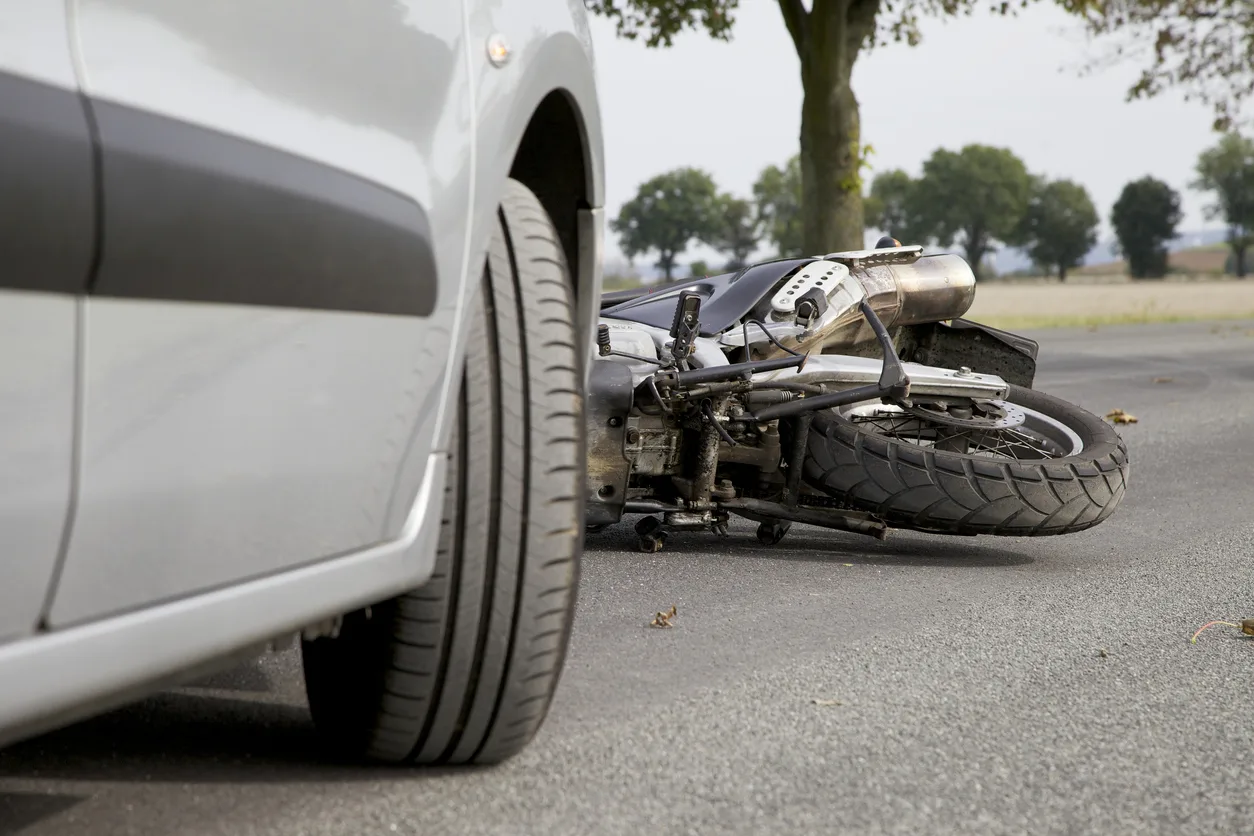
Motorcycle accidents are among the most catastrophic motor vehicle crashes, often leaving riders with severe, life-altering injuries. One of the most common — and frequently misunderstood — symptoms after a crash is leg swelling. While it may seem like a routine part of recovery, swelling can signal serious underlying trauma that requires immediate medical attention.
Leg swelling occurs when fluid builds up in the tissues, typically as part of the body’s inflammatory response to injury. After a motorcycle collision, that response can be triggered by fractures, ligament tears, deep bruising, internal bleeding, or even dangerous complications like blood clots. In some cases, swelling is temporary. In others, it is an early warning sign of a much more serious condition.
Recognizing the difference can protect not only your health, but your future.
At Zehl & Associates, we have secured Billions for accident victims, including some of the largest motor vehicle accident verdicts and settlements in Texas history. Our undefeated motorcycle accident lawyers fight to hold negligent drivers and corporations fully accountable and ensure our clients have the resources they need to recover physically, financially, and emotionally. That includes connecting you with leading medical specialists and making sure the urgent treatment you need is in place — with no upfront costs to you.
Read on to learn what causes leg swelling after a motorcycle accident, when it becomes dangerous, and how to protect both your health and your rights.
Table of Contents
- Common Causes of Leg Swelling After a Motorcycle Crash
- Recognizing Serious Signs and Symptoms
- Treatment for Leg Swelling
- Long-Term Recovery and Rehabilitation
- Contact the Undefeated Houston Motorcycle Accident Lawyers at Zehl & Associates for Help Today
Common Causes of Leg Swelling After a Motorcycle Crash

Several factors can contribute to leg swelling following a motorcycle accident, including:
Soft Tissue Injuries
Bruises, sprains, and strains occur when muscles, tendons, or ligaments are damaged due to impact or sudden force. Soft tissue injuries cause inflammation, which leads to swelling as part of the body’s natural response.
Bone Fractures
Broken bones in the leg — including the femur, tibia, fibula, ankle, or foot bones — are common in motorcycle crashes because the legs are often exposed and unprotected. Fractures disrupt normal blood flow and cause significant local swelling as blood and fluid accumulate around the break.
Deep Vein Thrombosis
Deep Vein Thrombosis (DVT) is a blood clot formed in a deep vein, usually in the leg. Trauma from an accident can increase the risk of clots. Painful swelling, often accompanied by warmth and redness, may signal DVT — a potentially life-threatening condition because clots can travel to the lungs (pulmonary embolism) if untreated.
Compartment Syndrome
This is a medical emergency that arises when pressure increases within a muscle compartment. Severe pain, swelling out of proportion to the injury, numbness, and a tight, tense feeling in the limb are key signs. If not treated quickly, compartment syndrome can lead to permanent muscle and nerve damage.
Internal Bleeding
Bleeding into the leg tissues from ruptured blood vessels may not be visible immediately, but can cause swelling over time. This often requires imaging (like X-rays or CT scans) to detect and treat properly.
Recognizing Serious Signs and Symptoms
While some swelling after an accident is expected, certain symptoms should never be ignored.
Seek immediate medical care if you experience:
- Severe or rapidly increasing swelling
- Intense pain that doesn’t decrease with rest or basic first aid
- Leg that appears red, warm, or tender to the touch
- Inability to bear weight or move the leg normally
- Numbness or tingling
- Fever or chills
These may indicate serious conditions such as fractures, compartment syndrome, DVT, or infection.
Treatment for Leg Swelling
The following may be recommended by a health care professional if your leg swells after a motorcycle crash:
- Elevate the Leg. If advised by a doctor, keeping the leg elevated above heart level can help reduce fluid accumulation. This simple practice reduces pressure and aids circulation during the early stage of healing.
- Apply Ice and Compression. Cold packs can reduce inflammation, while compression wraps help limit swelling. This should be done under professional guidance to avoid further injury.
- Rest and Protect the Injury. Avoid putting weight on the injured leg until a provider confirms it’s safe. Using crutches or a brace may be necessary depending on the severity of your injury.
- Follow Medical Instructions Closely. Doctors might recommend imaging studies (X-rays, MRIs), medications (like anti-inflammatories), or referral to specialists such as orthopedic surgeons or vascular doctors if complications are suspected.
Even if swelling appears mild, seeing a healthcare provider is essential. Early evaluation helps rule out dangerous conditions and guides proper care. Many injuries are not fully apparent immediately after trauma, making medical assessment critical.
Long-Term Recovery and Rehabilitation
Leg swelling may persist for days or weeks, especially if injuries are significant. Recovery strategies commonly include:
Physical Therapy
Guided exercises help restore strength, flexibility, and range of motion while reducing swelling. A physical therapist can tailor a plan specific to your injury.
Medication
Anti-inflammatory drugs can help manage swelling and pain, but should only be taken as prescribed.
Monitoring for Complications
Some complications, like DVT or chronic swelling, may require ongoing monitoring and treatment. Quick response to new or worsening symptoms is crucial.
Contact the Undefeated Houston Motorcycle Accident Lawyers at Zehl & Associates for Help Today
Leg swelling after a motorcycle accident can range from mild inflammation to a sign of a serious, potentially life-threatening condition. Prompt medical evaluation, proper treatment, and careful monitoring are crucial for effective recovery. In addition, understanding your options for financial compensation if someone else’s negligence caused your accident can provide peace of mind and support your long-term well-being.
For guidance tailored to your situation and help seeking the compensation you deserve, contact Zehl & Associates for a free consultation with an undefeated Houston motorcycle accident attorney at (888) 603-3636.